Blog
7 Common Smith Machine Mistakes That Are Killing Your Gains (And How to Fix Them)
The Smith Machine is an incredibly effective tool for muscle isolation and pushing past a strength plateau, thanks to its fixed, guided bar path and built-in safety catches. However, that fixed path is also where most lifters go wrong.
If you treat the Smith Machine like a free barbell, you’re actively sabotaging your form and neglecting key muscle groups. Break through your gains plateau today by correcting these seven critical form mistakes.
1. ✘ The Free-Barbell Squat Stance
The Smith Machine's vertical bar path does not match the body's natural squat curve. Standing directly under the bar shifts the stress unnaturally forward onto the knees, preventing proper glute activation. This is the #1 Smith Machine squat form error.
Mistake vs Fix
✘ MISTAKE: Feet placed directly under the bar, forcing knees far over toes.
✔︎ FIX: Step your feet 6–12 inches forward. This allows your hips to drive back, keeping your shins vertical and maximizing quad and glute engagement.
2. ✘ Ignoring Stabilizer Muscle Recruitment
The machine's stability removes the need for your small, crucial stabilizer muscles (core, rotator cuffs) to fire, leading to strength imbalances when you switch back to free weights.
Mistake vs Fix
✘ MISTAKE: Using the Smith Machine for all major compound lifts (squat, bench, press).
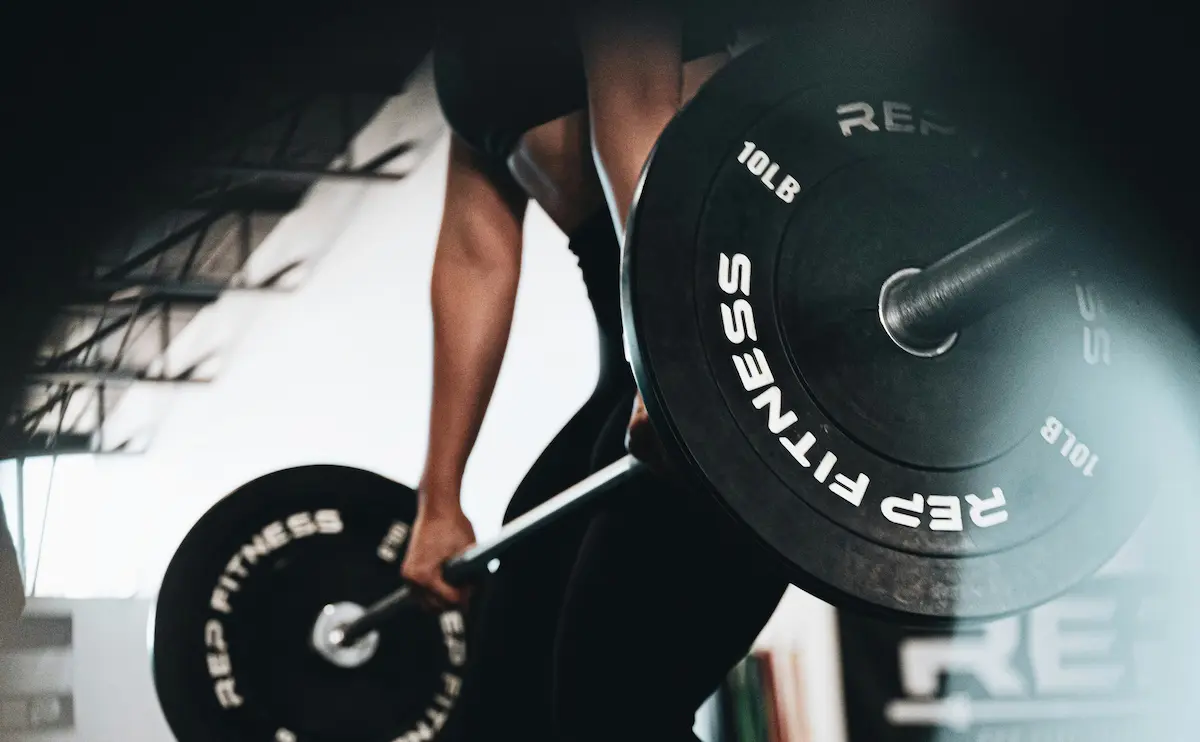
✔︎ FIX: Use the Smith Machine for heavy accessory lifts (e.g., Pendlay Rows). Ensure your routine includes dedicated free weight work (e.g., dumbbell presses, core work) to build functional, balanced strength.
3. ✘ Locking Out the Joints
Over-extending your knees or elbows at the top of a repetition (especially during bench press or shoulder press) transfers the weight from your muscles to your skeletal joints.
Mistake vs Fix
✘ MISTAKE: Fully extending the joints until they click into the locked position.
✔︎ FIX: Stop just short of full lockout (maintain a slight bend). This keeps the target muscle under constant tension, maximizing the growth stimulus (hypertrophy) of the set.
4. ✘ Improper Bench Press Bar Alignment
Due to the fixed path, many lifters set the bench so the bar descends to their upper chest or neck area, leading to poor leverage and significant shoulder strain.
Mistake vs Fix
✘ MISTAKE: Bar descends too high, causing elbows to flare and stressing the delicate shoulder capsule.
✔︎ FIX: Position the bench so the bar lowers to your mid-to-lower chest (around the nipples). Tuck your elbows to a 45-degree angle to protect your shoulders and focus the lift on your pecs.
5. ✘ Setting Safety Stops Too Low (or Not at All)
The primary benefit of the Smith Machine is safety. Failing to use or correctly set the safety catches renders the machine's greatest advantage useless, risking injury.
Mistake vs Fix
✘ MISTAKE: Catches set too low, or completely ignored.
✔︎ FIX: Always set the catches. Perform one unweighted rep to find your lowest safe depth, then set the stops one notch below that point. This allows you to safely train to muscle failure without fear of being pinned.
6. ✘ Rushing the Eccentric (Lowering) Phase
Many lifters focus only on the push (concentric phase) and let the weight drop quickly during the lowering phase. This sacrifices significant muscle-building opportunity.
Mistake vs Fix
✘ MISTAKE: Dropping the bar quickly, wasting the potential of the negative rep.
✔︎ FIX: Implement a slow, controlled 3-second negative (eccentric phase) on every rep. Studies show the eccentric phase causes more muscle microtrauma, which leads to superior strength and size gains.
7. ✘ Facing the Wrong Direction for Pulling Movements
For exercises like bent-over rows, facing the incorrect direction can strain your lower back by forcing your body into an awkward angle relative to the fixed path.
Mistake vs Fix
✘ MISTAKE: Facing into the machine for movements where you pull the bar toward you.
✔︎ FIX: For all pulling movements (e.g., Smith Machine row, reverse lunge), face away from the rack. This naturally aligns the fixed path with your body's direction of movement, allowing for safer, heavier loading.
Summary: Train Smarter, Not Just Harder
The Smith Machine is your partner for safe, isolated strength building. By mastering these key form corrections—especially your Smith Machine squat foot position and bench press mistakes—you convert a potential injury risk into a reliable engine for consistent, measurable gains.